September 1, 2025
Nikki Udezue Foundation Marks 4th Anniversary with Free Medical Outreach in Pyakasa
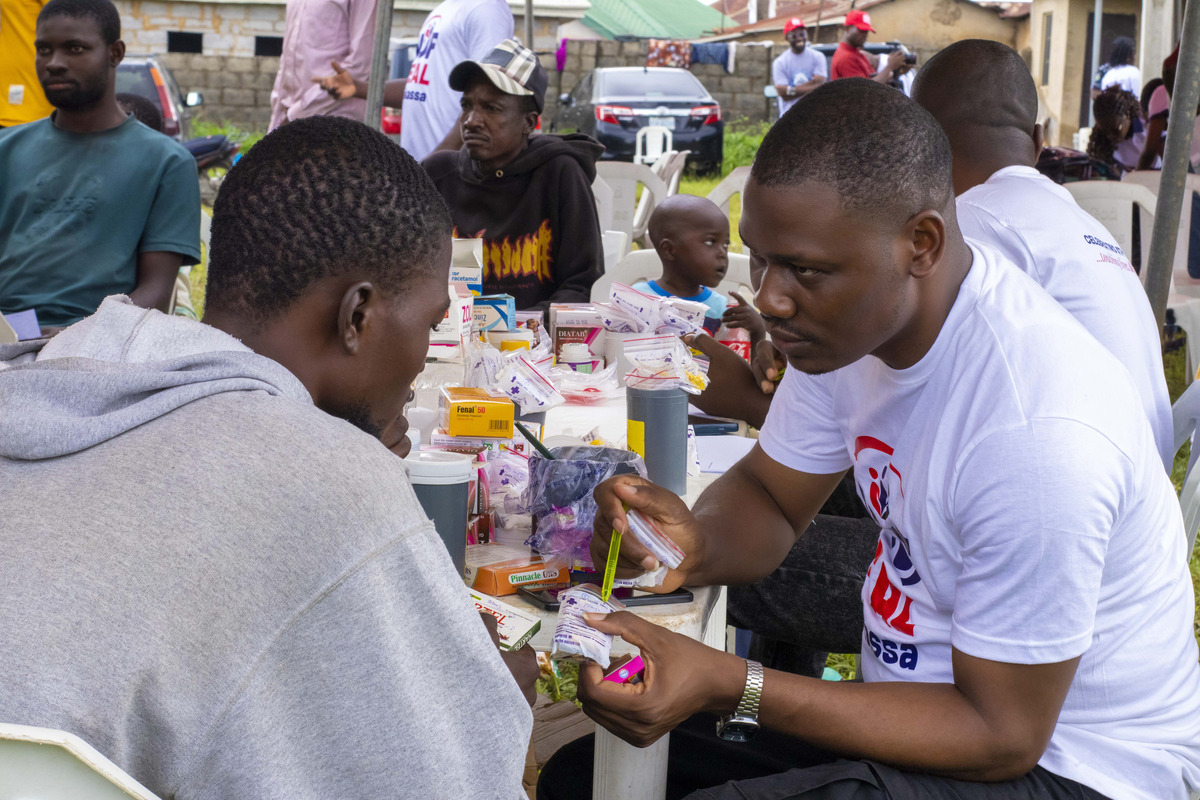
In celebration of its fourth anniversary, the Nikki Udezue Foundation (NUF) brought free medical care to over 1,000 residents of Pyakasa community in the Federal Capital Territory (FCT). The outreach provided essential screenings, diagnosis, and medication to vulnerable groups who often lack access to quality healthcare.
Speaking during the exercise, Founder and President, Nkeiruka Anthonia Udezue, explained that the initiative was a deliberate effort to give back to underserved communities.
“Since inception, the foundation has been committed to uplifting women, children, and the vulnerable. To mark our 4th anniversary, we wanted to celebrate by giving people the gift of health,” she said.
Udezue noted that healthcare remains out of reach for many families in rural communities, which inspired the foundation to step in.
“We came with doctors, trained nurses, and enough medication to address common illnesses. For many here, this would have been unaffordable. This is what real impact means to us,” she emphasized.
Beyond treatment, the foundation also prioritized data collection to better understand community health challenges and guide future interventions.
Although the foundation’s core focus is on women and children, Udezue stressed that their mission extends to anyone in need.
“We are a youth- and women-led NGO, but when we see people suffering, we respond. Our goal is to build a society where compassion leads the way.”
The outreach revealed troubling health trends, cases of severe malaria, hypertension, diabetes, and high blood pressure. Udezue expressed concern, pointing out how economic hardship continues to worsen health outcomes.
She called on more organisations to collaborate on such interventions:
“Many of these communities are overlooked. People are suffering in silence. This is where credible organisations must step in.”
Despite financial constraints, Udezue shared that the foundation has sustained its work largely through personal sacrifice, reflecting its values of transparency, accountability, and service.
“Running a foundation is not easy. But for four years, we’ve kept going with our own resources. That, to us, is humanity in action.”
She also challenged those with the means to contribute more actively, instead of dwelling on Nigeria’s shortcomings.
“We don’t want to play the blame game. The only way forward is to act, and act now.”
Thanks to the involvement of community leaders, churches, mosques, and grassroots mobilisers, the turnout was overwhelming. Residents left with high-quality medication and renewed hope, an achievement Udezue described as “a success story.”